Services
Avian Surveys & Migratory Bird Treaty Act Compliance
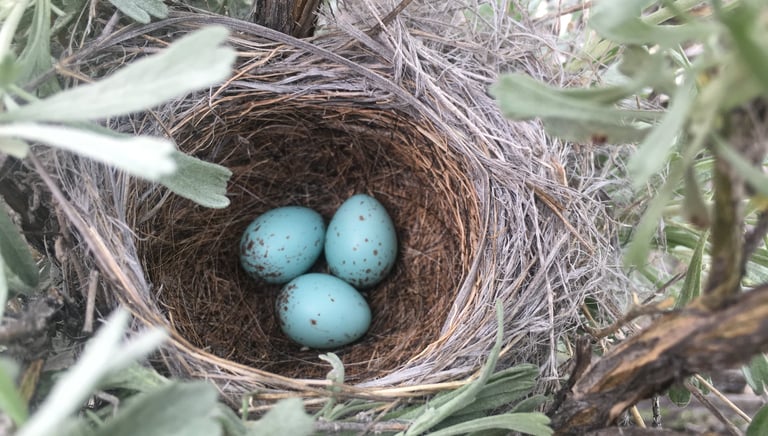



Pre-Construction Nest Clearance Surveys
Breeding Bird & Point Count Surveys
Presence / Absence Surveys
Raptor, Bald & Golden Eagle Surveys / Monitoring
Active Nest Monitoring & Buffer Recommendations
Construction-Phase Avian Monitoring
Certain wildlife and plant species receive federal or state protection because their populations are declining, their habitat is limited, or they are especially vulnerable to disturbance during critical life stages such as breeding. When projects occur within potential habitat, targeted surveys by a qualified biologist help determine whether protected species are present and what avoidance or mitigation measures are required to remain compliant with regulations such as the Endangered Species Act and the Migratory Bird Treaty Act. These surveys support responsible project planning, reduce regulatory risk, and help ensure construction activities proceed while minimizing impacts to sensitive wildlife populations.
Biological Surveys & Endangered Species Act Compliance
Federal & State Listed Species Desktop Reviews & Project Assessments
Biological Monitoring for Construction & Infrastructure Projects
Environmental Compliance Field Support
ArcGIS Field Maps & GPS Data Collection
Habitat, Vegetation & Wetland Surveys



Vegetation Mapping & Habitat Assessments
Sensitive Plant Surveys
Wetland Delineations
Noxious & Invasive Weed Surveys
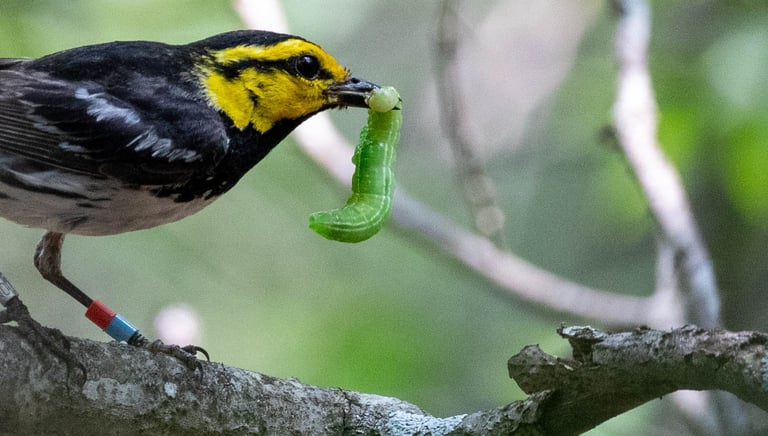
Golden-Cheeked Warbler Guidance & Surveys | Texas
Presence / Absence Surveys
Habitat Assessments
Resighting & Territory Mapping
HOA Stewardship Community Program
Expert environmental surveys for biological assessments.
© 2022–2026 Travel Twist Biologist LLC. All rights reserved.

Planning a Project in Golden-Cheeked Warbler Habitat?
Need support for listed species surveys, avian compliance, or biological fieldwork?