Protected Species Specializations
Certain wildlife species receive federal or state protection because their populations are declining, their habitat is limited, or they are especially vulnerable to disturbance during critical life stages such as breeding. When projects occur within potential habitat, targeted surveys by a qualified biologist help determine whether protected species are present and what avoidance or mitigation measures are required to remain compliant with regulations such as the Endangered Species Act and the Migratory Bird Treaty Act. These surveys support responsible project planning, reduce regulatory risk, and help ensure construction activities proceed while minimizing impacts to sensitive wildlife populations.
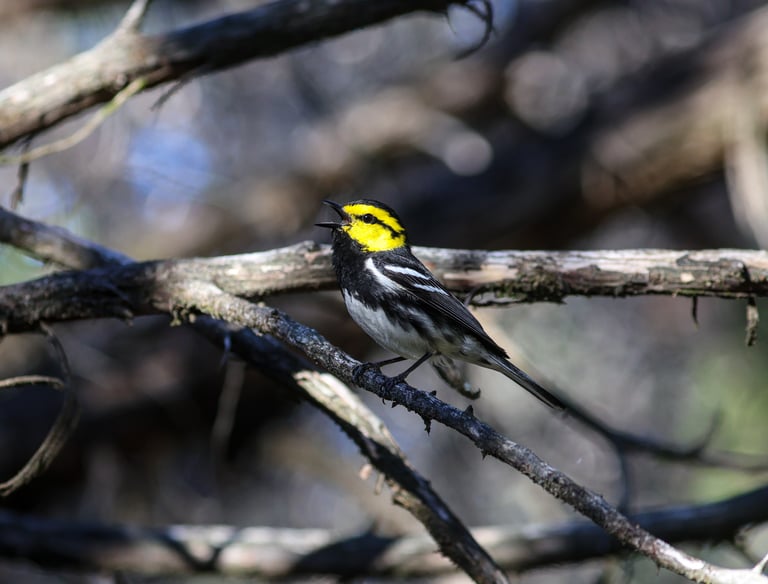
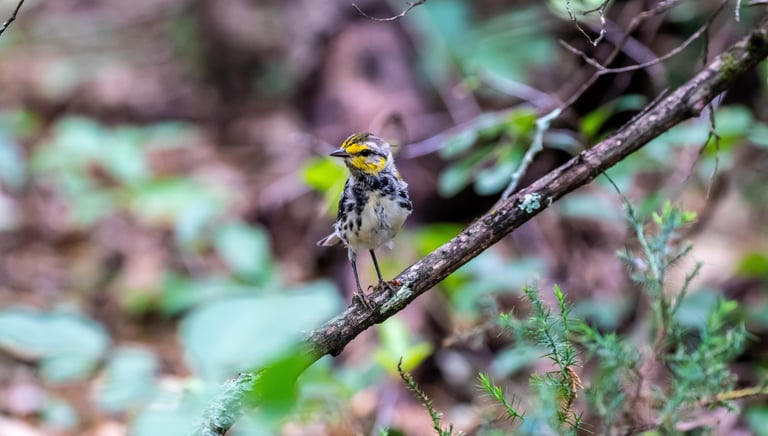
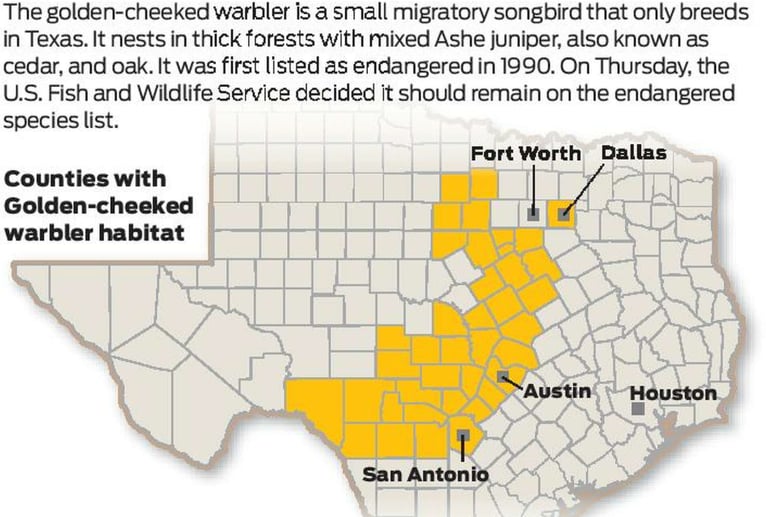
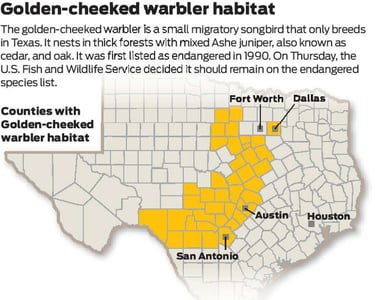
Golden-cheeked Warbler Presence/Absence Surveys & Habitat Assessments

MBTA Compliance
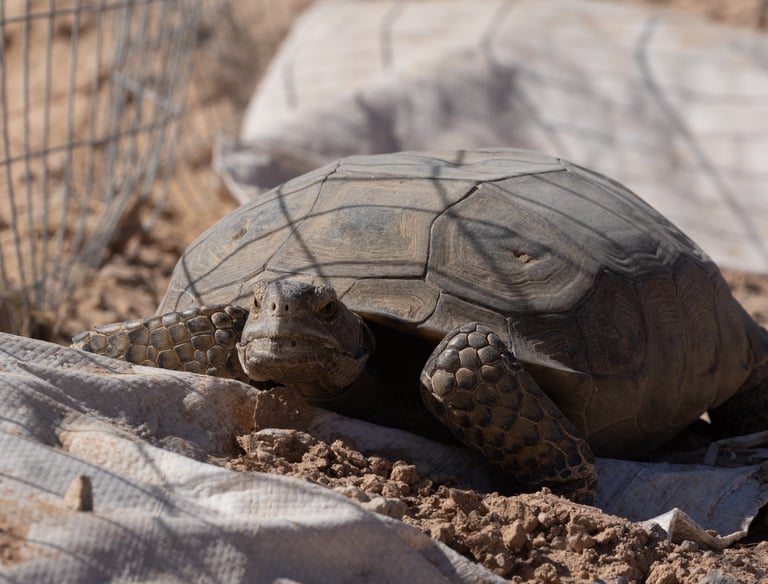
Desert Tortoise Monitoring
Texas
Nationwide
California & Nevada
Who Needs Golden-cheeked Warbler Surveys?
Qualified Biologist to Perform Presence/Absence & Habitat Surveys for Golden-cheeked Warbler
Survey and resighting support conducted under USFWS Section 10(a)(1)(A) recovery authorization (permit number pending confirmation)
7+ years of golden-cheeked warbler survey experience across central Texas breeding habitat
Targeted mist-netting and banding support for both male and female GCWA under authorized recovery activities
Breeding-season habitat assessment and territory evaluation within occupied Ashe juniper–oak woodlands
Nest searching and resighting of color-banded individuals to support monitoring and recovery objectives
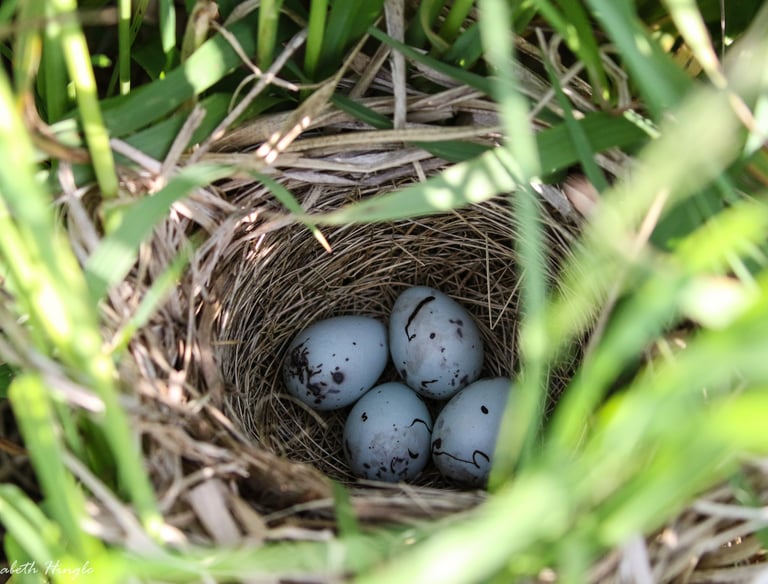
Migratory Bird Treaty Act (MBTA) Compliance Surveys
I provide pre-construction nesting bird surveys and monitoring to help projects remain compliant with the Migratory Bird Treaty Act, which prohibits the “take” of protected species, including disturbance or destruction of active nests. Surveys are conducted prior to vegetation clearing and ground disturbance, typically within the February 15–August 31 nesting season window, and include documentation of species presence, nest status, and recommended avoidance measures. When active nests are identified, appropriate non-disturbance buffer zones are established (generally 50–100 ft for songbirds and 300–500 ft for raptors) and maintained until young have fledged. All work follows the protected species list under 50 CFR 10.13 and emphasizes proactive avoidance, clear reporting, and defensible documentation to reduce regulatory risk for project teams.
Expert environmental surveys for biological assessments.
© 2022–2026 Travel Twist Biologist LLC. All rights reserved.

Planning a Project in Golden-Cheeked Warbler Habitat?
Need support for listed species surveys, avian compliance, or biological fieldwork?